¿Qué está incluido en el precio de un alquiler de yate?
La tarifa del yate es solo el comienzo. Esto es lo que realmente cubre el precio de un chárter en las Baleares y lo que se cobra por separado: APA, fianza, combustible e impuestos locales.
¿Qué incluye el precio de un alquiler de yate? La tarifa anunciada cubre el yate en sí, el equipo estándar y el seguro, pero casi todos los chárter en las Baleares añaden varios costes adicionales: un Anticipo para Aprovisionamiento (APA) para comida y combustible, un depósito de seguridad reembolsable y, a veces, impuestos locales. Esta guía detalla exactamente qué se incluye en el precio principal y para qué debe presupuestar por separado, para que la factura final nunca le sorprenda.
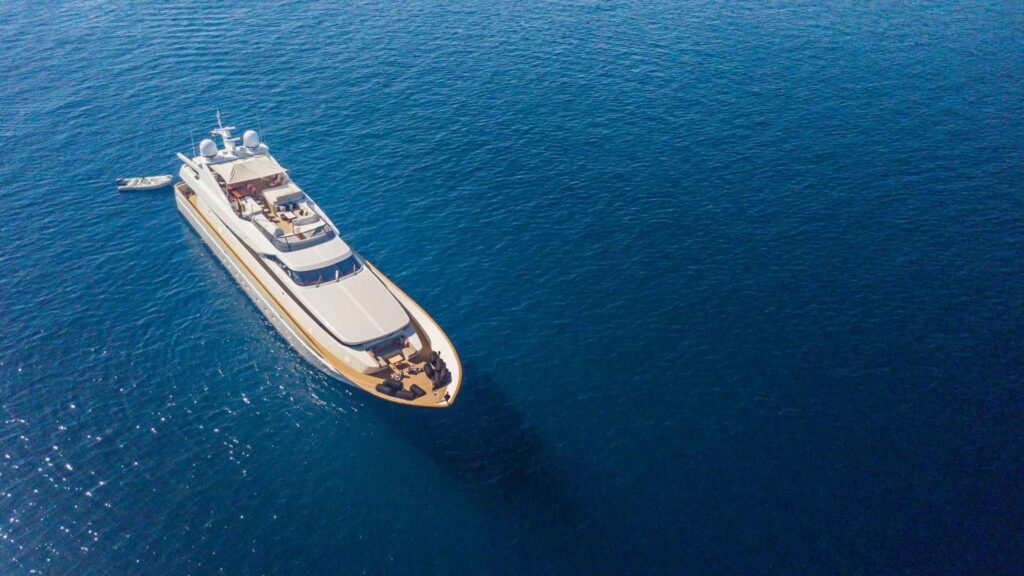
Qué se incluye siempre
La tarifa de alquiler anunciada cubre el yate en sí para las fechas reservadas, su equipo estándar de seguridad y navegación, y el seguro de responsabilidad civil. En un alquiler con patrón, los honorarios profesionales de la tripulación se incluyen en lo que la empresa de alquiler cotiza como la “tarifa con patrón” en la mayoría de los casos, aunque siempre vale la pena confirmarlo explícitamente, ya que nuestro guía de costes de alquiler de patrón muestra que a veces se desglosa por separado.
El equipo estándar generalmente se refiere al equipo de seguridad requerido por la normativa marítima, la electrónica básica de navegación y las comodidades instaladas del yate que figuran en la hoja de especificaciones, y no a extras como tablas de paddle surf, equipo de esnórquel o una embarcación auxiliar con un motor fueraborda potente, que algunos operadores incluyen y otros cobran por separado. Revise siempre la lista de inclusiones específicas del yate que esté considerando en lugar de asumir que todas las embarcaciones de una flota están equipadas de forma idéntica.
La limpieza al final del chárter es otro aspecto que conviene aclarar en el momento de la reserva: algunos operadores incluyen una limpieza estándar de fin de chárter en la tarifa base, mientras que otros la cobran como un suplemento fijo. Individualmente es una partida pequeña, pero vale la pena confirmarla junto con la APA y el depósito para que su liquidación final coincida con lo que esperaba desde el principio.
Qué no suele incluirse
Cuatro costes quedan fuera de la tarifa principal en casi todos los chárter en las Baleares: la asignación para provisiones avanzadas (comida, bebida y combustible), el depósito de seguridad reembolsable, las tasas de puertos deportivos y amarres a lo largo de la ruta, y cualquier impuesto local aplicable. Ninguno de estos son cargos ocultos en el sentido negativo; son una práctica estándar en la industria. Tasas de puertos deportivos y amarres a lo largo de una ruta, enumeradas por Puertos de Baleares, por lo general se pagan con el APA en lugar de con la tarifa base de flete. —pero sí significan que la cifra en la página del anuncio es el punto de partida de su presupuesto, no el total.
Una forma útil de pensarlo: la tarifa anunciada responde a “cuánto cuesta el barco”, mientras que la APA, el depósito y los impuestos responden a “cuánto cuesta esta semana específica a bordo”. Ambas preguntas importan, pero solo la primera aparece en un listado de comparación, que es exactamente por qué tantos primerizos en el chárter se sorprenden por la brecha entre el número que vieron en línea y el total que realmente pagan.
Entendiendo la APA
The Advance Provisioning Allowance, or APA, is an advance payment transferred to the crew before your charter to fund provisioning: food, drinks, fuel, port and mooring charges, and other running costs incurred on your behalf during the week. It is standard practice under the MYBA charter agreement, the industry-standard contract used across Mediterranean yacht charter, and typically runs 25–35% of the charter fee for sailing yachts and catamarans, slightly higher for motor yachts.
The crew keeps a running account of APA spending throughout the charter and provides it to you at the end of the week. Any unused balance is refunded; if costs run over (an unusually fuel-heavy itinerary, for instance), you settle the difference before departure. Ask for the running total partway through the week if you want to track spending rather than being surprised either way at the end.
APA exists because provisioning needs vary enormously between charter groups — a week of simple onboard meals costs very differently from a week eating ashore every night, and fuel consumption depends heavily on how far and how fast a group wants to travel. Rather than guess at a single average and build it into every yacht’s advertised rate, the industry separates this variable cost out and lets the crew spend exactly what your group’s choices require, refunding what is not used.
If you want tighter control over provisioning costs, discuss your preferences with the crew before the charter starts — a group happy with simpler meals and modest fuel use can often bring the effective APA percentage down from the higher end of the typical range.
Why charter pricing is structured this way
It can feel like an unnecessary complication to separate the yacht rate from APA, deposit and taxes rather than quoting one all-in number, but the structure protects both sides. Charterers only pay for the food, drink and fuel their own group actually consumes rather than subsidising a fixed average baked into every booking, and operators are not left absorbing the cost difference between a frugal group and one that eats ashore every night. The MYBA charter agreement standardised this structure decades ago across the Mediterranean specifically because it is fairer than the alternatives it replaced, not because it benefits one side more than the other.
Understanding this upfront changes how you read a listing price: it is a genuine starting point set by the boat itself, not a lowball figure designed to be padded later.
El depósito de seguridad
Separate from the APA, a refundable security deposit is blocked on a card (or occasionally paid in cash) at check-in to cover any damage to the yacht during your charter. On a bareboat charter, this deposit tends to be higher, reflecting the charterer’s full responsibility for the boat; on a skippered charter, it is often reduced since the professional skipper carries more of that responsibility. Deposit amounts vary significantly by operator and yacht value — ask for the specific figure before booking, not after.
Some operators offer an optional damage waiver, similar in concept to rental car insurance, that reduces your exposure on the deposit in exchange for a modest fixed fee. This is worth asking about directly, particularly for a first-time bareboat charter where an inexperienced crew carries more risk of a costly mooring mishap than a group that has chartered before.

Impuestos y tasas locales
Spanish VAT (IVA) on the charter fee is generally built into the advertised price for charters starting in Spain, rather than added afterward — but always confirm this explicitly with the operator rather than assuming. Separately, the Balearic Islands levy the Impuesto de Turismo Sostenible (the regional “eco-tax”), a per-person daily charge on tourist stays, administered by the Govern de les Illes Balears. Its application to charter passengers specifically (as opposed to hotel stays) varies, so confirm current scope and rate with your charter company rather than assuming it is or is not included.
Neither of these taxes is unique to yacht charter — they apply broadly across Balearic tourism — but they are easy to overlook when comparing a charter quote against a fixed all-inclusive package holiday. Build a small buffer into your budget for local taxes even if the operator quotes them as minor, since the exact treatment can differ from one booking to the next.
Un desglose de costos de muestra
| Cost item | Typically included? | Rough guide |
|---|---|---|
| Yacht + standard equipment | Sí | The advertised rate |
| Third-party insurance | Sí | The advertised rate |
| APA (food, drink, fuel) | No — paid in advance | 25–35% of the charter fee |
| Depósito de garantía | No — refundable | Varies by yacht value |
| Skipper fee (if not bundled) | Sometimes | €150–€220/day |
| Local eco-tax | Rarely | €2/person/day, confirm scope |
These figures are indicative, not a quote for any specific yacht — use them to sanity-check a listing price against your total likely spend, and always confirm the exact breakdown with the operator before paying a deposit.
A group booking a mid-range 42-foot sailing yacht at €3,000 for the week, for example, should realistically plan for roughly €750–€1,050 in APA on top, plus a deposit in the low thousands that is returned intact if the week passes without incident. That total, not the €3,000 headline figure alone, is the number to compare against your actual holiday budget.
Preguntas que debes hacer antes de reservar
Before committing to a booking, ask the operator directly: what percentage APA applies to this specific yacht, whether the skipper fee (if any) is bundled into the headline rate or itemised separately, what the security deposit amount is and how it is held, and whether local taxes are included or added at check-in. A charter company confident in its pricing will answer all four without hesitation — treat vagueness on any of them as a reason to ask again in writing before paying anything.
It is also reasonable to ask for a written, itemised quote rather than relying on a verbal answer to these questions — a reputable operator will provide one without hesitation, and having it in writing protects you if a dispute arises later over what was agreed.

Entonces, ¿cuál debe ser tu presupuesto?
Treat the advertised charter rate as roughly 60–75% of your realistic total spend once APA, deposit contingency and any separate skipper fee are accounted for. It is not that operators hide costs — the industry-standard structure simply separates the yacht rate from the variable, usage-based costs that depend on your group’s choices during the week. Budgeting with that structure in mind, rather than against the headline number alone, is what keeps the final settlement free of surprises.
Ready to compare real listings? Browse our búsqueda de yates de alquiler or see typical rate ranges across the fleet in our Balearic charter prices guide.
None of this is designed to make chartering feel complicated. Once you understand the four-part structure — yacht rate, APA, deposit, taxes — a Balearic charter quote becomes straightforward to compare across operators, and you can budget with real confidence rather than hoping the advertised number is the whole story.
Ask early, ask in writing, and budget for the total rather than the headline.

Questions about charter pricing
Clear information before your final settlement.
¿Es reembolsable la APA?
Yes. Any unused portion at the end of the charter is refunded, based on the crew’s recorded spending. You settle any shortfall the same way if costs ran higher.
¿Cuánto debo presupuestar para APA?
Como estimación inicial, calcula entre 25 y 351 TP3T aproximadamente para el precio del alquiler de un velero o un catamarán; en el caso de un yate a motor, el importe será ligeramente superior.
¿Está el combustible incluido en el precio del chárter?
No. El combustible suele estar cubierto por el APA o se factura por separado según el consumo, no se incluye en la tarifa anunciada del yate.
¿Es el depósito de seguridad lo mismo que el APA?
No, están separados. La APA financia los costos de aprovisionamiento y funcionamiento; el depósito es una garantía reembolsable por daños retenida en una tarjeta.
¿Están incluidos los impuestos locales en el precio anunciado?
Usually VAT is built in for Spain-originating charters, but the Balearic eco-tax’s application to charter passengers varies — confirm with the operator directly.
Want the full cost breakdown for a specific yacht?
Tell us your preferred boat and dates and we will confirm the APA, deposit and any extras before you book.