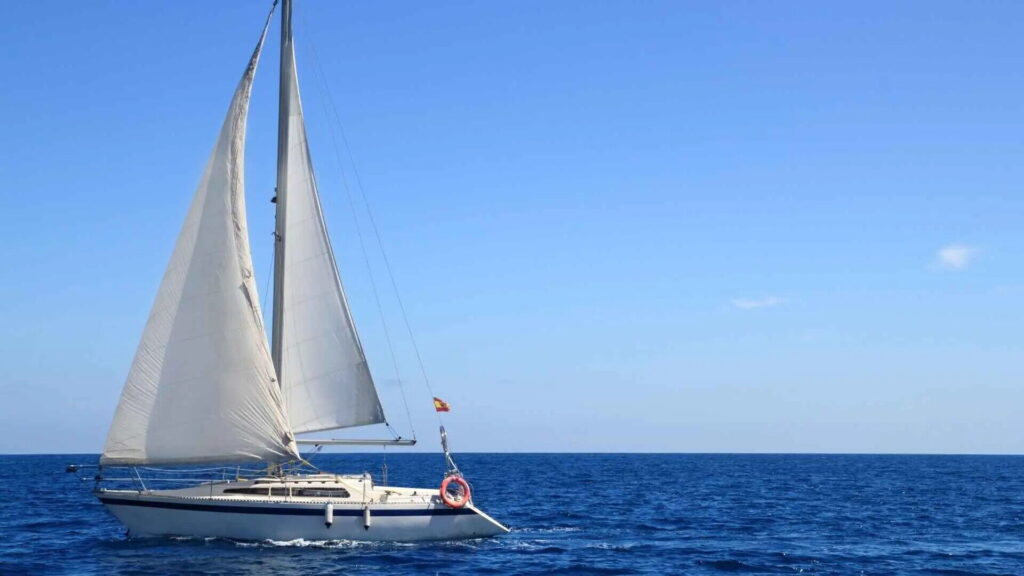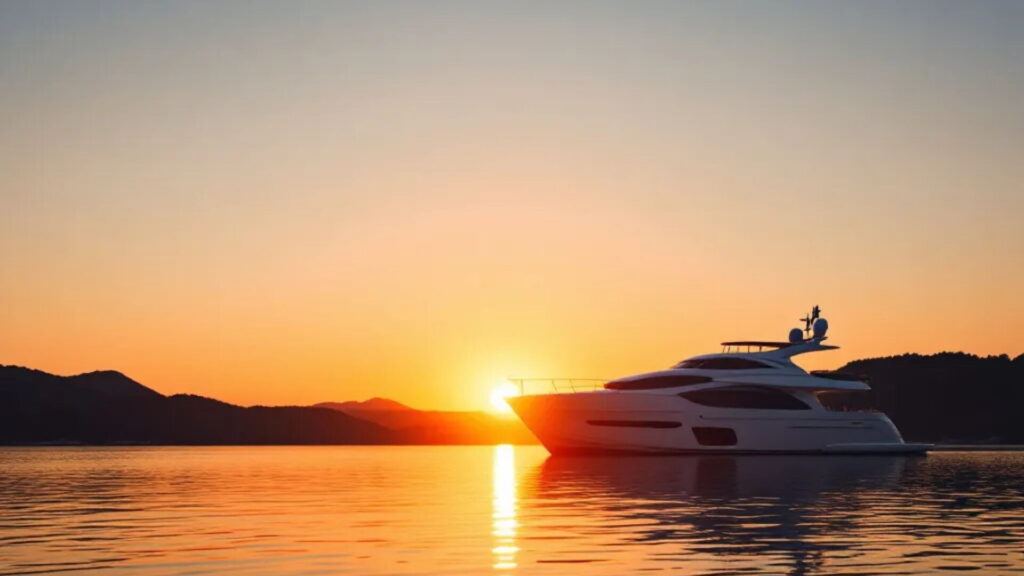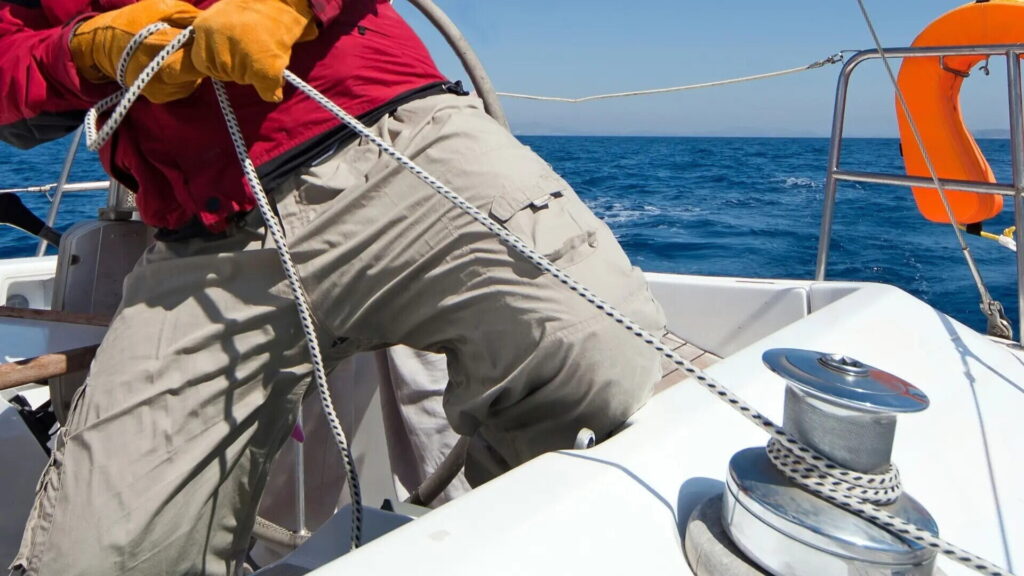
Bareboat gives control. A skipper gives freedom from responsibility.
Choose bareboat when your crew has the required qualifications, current experience and genuinely wants to manage the yacht. Choose a skippered charter when you want local route knowledge or would rather concentrate on the holiday.
In practice, most first-time Balearic charterers choose skippered, most repeat charterers with a qualified sailor aboard choose bareboat, and mixed groups (some experienced, some not) tend to default to skippered for the first joint charter, then reassess for the next one once everyone has seen how the week actually runs.
There is no universally right answer to bareboat or skippered charter — only the answer that fits your group’s qualifications, budget and appetite for responsibility this particular week.
The best choice is not the most prestigious option. It is the arrangement that makes your week relaxed and safe.
This guide sets out the practical differences — licence and experience, cost, insurance, day-to-day routine and what happens when the weather does not cooperate — so you can make the call with the actual trade-offs in front of you, not a generic recommendation.
Licence and experience
Operators assess more than the plastic card in your wallet. They may ask for a sailing résumé, recent experience on a similar yacht and a capable second crew member. Requirements can vary by boat and operator.
In Spain, the accepted qualifications and their scope are set out by the Dirección General de la Marina Mercante. UK sailors most commonly present the RYA International Certificate of Competence, which most Balearic operators accept for a yacht of matching size, though it is always worth confirming with the specific company before booking rather than assuming. Our full licence requirements guide covers which qualifications are accepted case by case.
None of this is meant to discourage a first-time bareboat attempt with genuine experience behind it — operators check credentials precisely so that qualified crews can charter with confidence, not to gatekeep the option unnecessarily.
Bring the physical qualification card and a printed or digital logbook of recent hours if you have one — operators processing a bareboat handover on a busy Saturday changeover day appreciate not having to chase paperwork before releasing the keys.
What changes in the price?
A professional skipper is normally charged per day, with food and a cabin provided by the charterer. Bareboat can cost less, but responsibility for manoeuvring, route decisions and the security deposit remains with you.
Exact skipper day rates and what they typically include are broken down in our skipper hire cost guide. Marina and mooring fees, listed by Ports de Balears, apply to both charter styles equally and are not a factor in the bareboat-versus-skippered decision itself.
As a rough anchor figure, a professional skipper typically adds €150–€220 per day to a standard charter, which over a full week is a meaningful line item worth budgeting for up front rather than discovering at checkout.
Fuel is billed separately from either the yacht rate or the skipper fee on almost every Balearic charter, usually settled against a fuel deposit at return based on the tank reading — factor a modest fuel budget into your total regardless of which style you choose.
Which is better for a family?
A skipper can be valuable on a first Balearic charter, especially when the group wants short, confident passages and local anchorage advice. Experienced families may prefer the privacy and flexibility of bareboat.
The right season matters here too: a shoulder-season week (see our guide to the best time to sail the Balearics) with lighter wind and quieter anchorages is more forgiving for a bareboat crew still building confidence than a peak-August week with crowded moorings and stronger afternoon thermals.
If you are still undecided after weighing all of this, default to skippered for your first Balearic charter. It is easier to move from skippered toward bareboat on a future trip, once you know the boat, the area and your own comfort level, than to commit to bareboat on a first attempt and discover mid-week that the responsibility outweighs the savings.
What changes day to day aboard
The practical difference between the two styles shows up most in the rhythm of the day, not the price. On a skippered charter, the group wakes to a route already planned around the forecast, and decisions about anchoring, timing and weather windows are made for them. On a bareboat charter, someone in the group is running that same planning every morning, checking conditions, briefing the crew, and taking responsibility if a plan needs to change mid-afternoon.
Provisioning follows a similar split: skippered charters often include a provisioning service or a local recommendation from the skipper on where to shop, while bareboat groups plan and carry their own stores from day one, factoring in fridge space and how many nights they intend to eat aboard versus ashore.
Switching between bareboat and skippered mid-charter
Some charter companies allow a group to start bareboat and add a skipper partway through the week, typically if conditions turn out more demanding than expected or the group simply decides they would rather relax. This is not guaranteed — it depends on skipper availability for the remaining days and is arranged directly with the operator, not assumed as a standard option. Ask about this possibility at the time of booking if there is any doubt about the group’s comfort level, since arranging it in advance is far easier than trying to add a skipper on short notice once the charter has started.
The reverse — starting skippered and finishing bareboat once the group has learned the boat and area — is rarer in practice, mainly because it requires the skipper to sign off on the remaining crew’s competence, which most operators are cautious about approving mid-charter.
Insurance and liability differences
On a bareboat charter, the named skipper on the booking — usually whoever holds the qualification — carries practical responsibility for the yacht for the duration of the charter, and the security deposit exists precisely to cover damage that falls under that responsibility. On a skippered charter, the professional skipper is covered by the charter company’s own liability arrangements while underway, which is one reason deposits are often lower or waived entirely on skippered bookings.
Neither arrangement removes the charterer’s own travel insurance from the picture — personal injury, lost belongings and trip cancellation still sit with standard travel cover regardless of which charter style you choose. Confirm with your insurer that watersports and sailing are included before departure, since some standard policies exclude them by default.
Bareboat vs skippered at a glance
| Bareboat | Skippered | |
|---|---|---|
| Licence required | Yes (ICC or equivalent + experience) | No |
| Who plans the route | The charterer | The skipper, with input from the group |
| Typical cost impact | Lower | +€150–€220 per day |
| Best for | Experienced, qualified crews | First-time or mixed-experience groups |
Two realistic weeks, side by side
A bareboat week for an experienced family of four might look like this: fly into Palma, collect the boat and complete the handover briefing, then spend the week choosing a new anchorage each day based on the morning forecast, cooking aboard most nights, and returning to the base marina the evening before departure to avoid a rushed final morning. The qualified parent handles all manoeuvring, and the whole group treats route planning as part of the holiday rather than a chore.
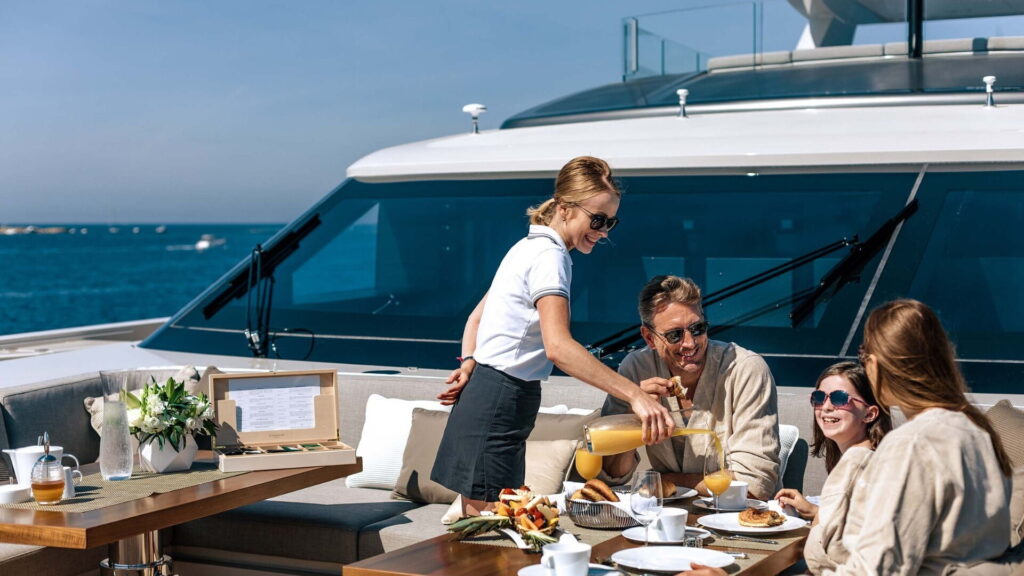
A skippered week for a first-time group of friends might run differently: the skipper meets the group at the marina, suggests a loose route based on the week’s forecast, and adjusts it daily as conditions change. The group swims, eats and relaxes while the skipper handles docking and anchoring, and by mid-week most guests have picked up enough to help with lines and fenders without being responsible for the calls that matter. Both weeks cost roughly the same for the yacht itself; the skippered week costs more only because of the added skipper fee, covered in full in our skipper hire cost guide.
If the weather changes your plans
Both charter styles are affected by weather, but they handle a forecast change differently. A skipper reroutes the day in real time, drawing on local knowledge of which coast offers shelter when the wind swings — often before the group has even noticed conditions building. A bareboat crew needs to make that same call themselves, which is one more reason experience matters more than the licence alone: a qualification proves you can handle the boat, not that you will read a changing forecast correctly under pressure.
Whichever style you choose, build one flexible day into any itinerary rather than a fixed daily plan — our Palma to Cabrera itinerary shows how a realistic route leaves room to swap a day’s destination without losing the week.
Choosing a charter company that offers both
Not every charter company offers both bareboat and skippered options on the same boat, and fleet size varies a great deal between operators. A company with a larger fleet and an established roster of local skippers can usually accommodate a late change of mind about charter style; a smaller operator with one or two boats may need more notice, or may not offer bareboat on their higher-value yachts at all.
Our directory of Balearic charter companies lists which operators offer which charter styles on which boats, so you can compare fleet size and skipper availability before committing to a base or a specific yacht.