Yacht charter and boat rental in Mallorca
Mallorca is the beating heart of Balearic yachting, and it is not close. More charter boats are based here than anywhere else in the archipelago, spread across a coastline that swings from the sheer, pine-clad cliffs of the Tramuntana in the north-west to the pale sand and turquoise shallows of the south. That range is the reason Mallorca pulls in first-time charterers and seasoned sailors alike: within a single week afloat you can anchor beneath mountains that fall straight into the sea, drift over sandbanks that would not look out of place in the Caribbean, and tie up in a working port for dinner without ever repeating a view. Add reliable summer winds, a dense network of marinas, and an international airport a short taxi ride from the water, and it is easy to see why Mallorca anchors the entire Balearic charter market rather than merely sharing it with Menorca, Ibiza and Formentera.
This hub page exists to help you navigate that scale sensibly. Below, you will find independent, practical guidance on where charters actually depart from, which type of boat suits which kind of trip, how the season really behaves month by month, and what shapes the cost of a week on the water - all written without commercial bias toward any single operator. Alongside it sits a live fleet search covering boats currently available around the island, so you can move from understanding the island to comparing real, bookable options in the same visit. Treat this page as the map and the search tool as the compass.
Mallorca is the largest charter market in the Balearic Islands: more boats, more bases and more operators than Ibiza and Menorca combined. The search below queries the live booking systems of the island's charter operators directly — every boat shown is a real listing from the operators' booking systems — availability and final prices are confirmed with the operator.
This page is the independent hub for chartering in Mallorca on Boat Rental Balearics: how the island's bases differ, which boat type fits your group, what a week actually costs, and the operators worth comparing — see our operator directory and comparison guide.
The case for Mallorca starts with geography most islands simply cannot match. The north-western coast is dominated by the Serra de Tramuntana, a UNESCO-listed mountain range that drops almost vertically into the Mediterranean, creating a run of dramatic anchorages, sea caves and near-empty coves accessible mainly by boat. Sail south and east and the landscape changes entirely: long stretches of shallow, sand-bottomed water around Es Trenc and the southern bays offer the kind of Caribbean-blue shallows that photograph better than they need to be described, while the eastern coast folds into a string of smaller, more sheltered calas that suit families and slower cruising. Few Mediterranean islands offer that much contrast within a single day's sailing.
Shelter matters as much as scenery, and Mallorca has it in abundance. The Bay of Palma alone gives boats a wide, well-protected stretch of water close to the capital, useful for building confidence before heading further afield, while the smaller calas along the east and north coasts provide overnight anchorages out of the prevailing swell. For those wanting to go further, the Cabrera archipelago - a national park a short sail south of Mallorca's coast - is one of the best-preserved marine environments in the western Mediterranean, with clear water and a strictly limited number of overnight moorings that reward boats which plan ahead. It is a genuinely different day out from the mainstream anchorages, and one of the few places in the Balearics where the marine park itself is the main attraction.
None of this would matter without the infrastructure to support it, and Mallorca's is the most developed in the islands. Palma de Mallorca Airport handles a high volume of routes from across Europe, meaning charter guests can often fly in mid-morning and be aboard by early afternoon. The island's marinas, from the capital's waterfront berths to smaller working harbours around the coast, are used to handling charter turnover, provisioning and fuel without fuss. That combination of scenery, shelter and connectivity is what has made Mallorca the default starting point for a Balearic sailing holiday rather than simply one option among several.
Boats available from Mallorca
Four current examples from the connected booking systems — operator from-prices for a week, confirmed with dates in the live search below.
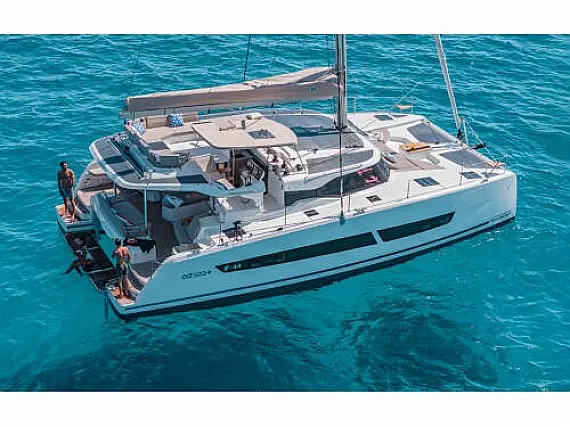 2026
2026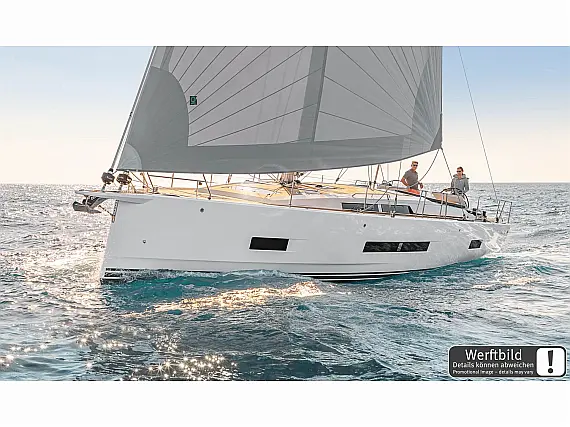 2026
2026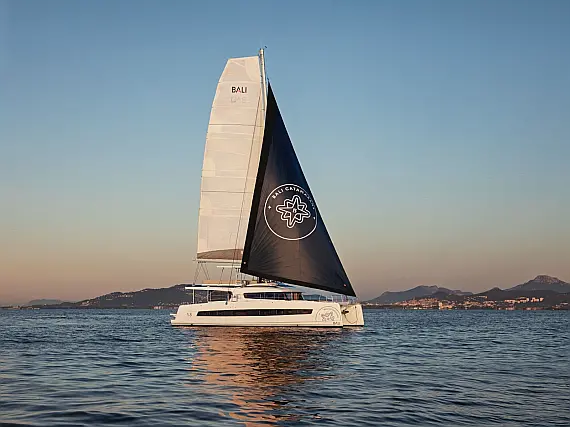 2026
2026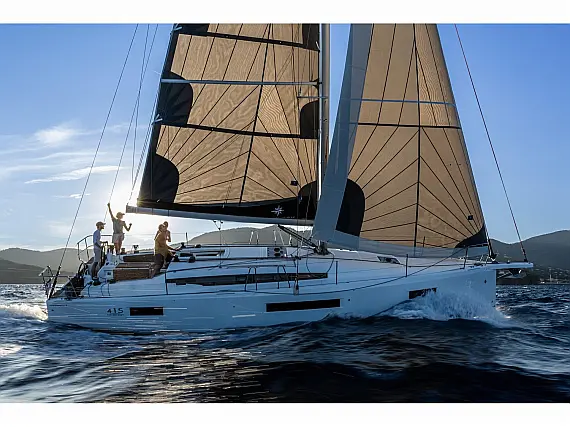 2026
2026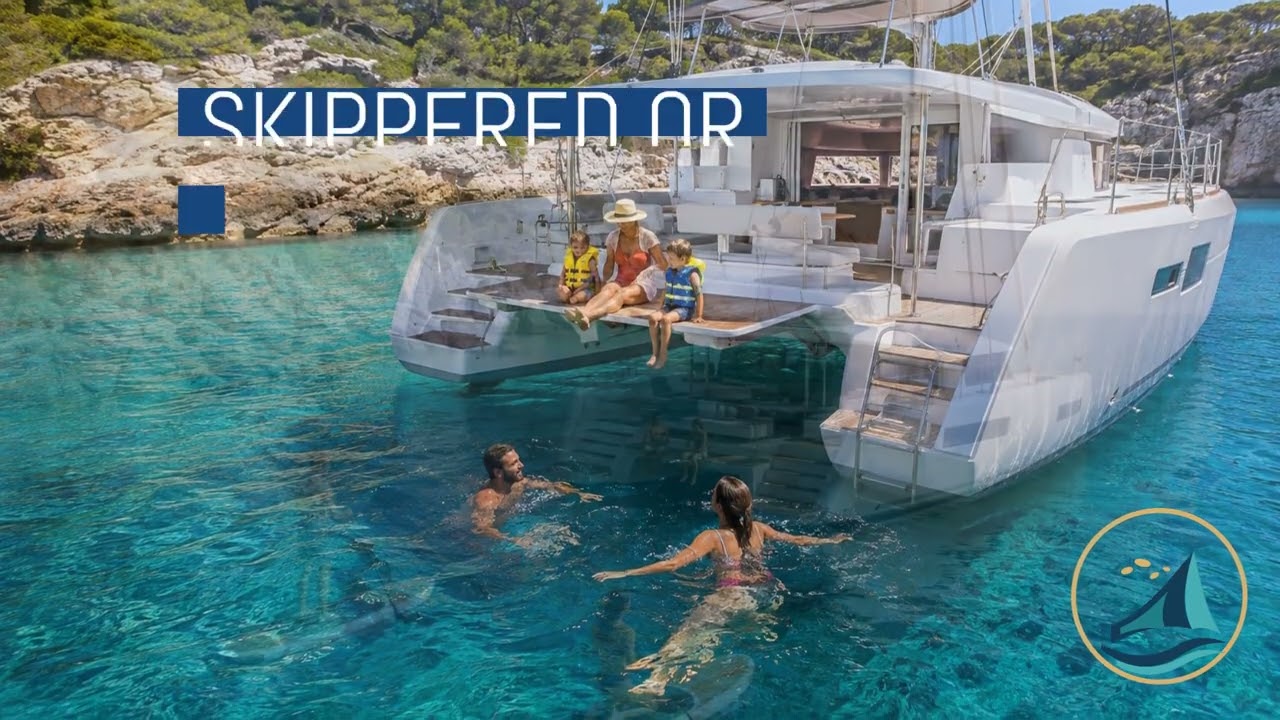
Search the live Mallorca fleet
Where charters start in Mallorca
Most Mallorcan charters begin in or around Palma, and for good reason. The Bay of Palma holds the island's biggest concentration of charter berths, spread across several marinas along the city waterfront and the wider bay, including operations such as Marina Naviera Balear, with the more exclusive Puerto Portals marina a short distance further along the same bay. Basing a charter here puts you within easy reach of the city itself - its cathedral skyline is one of the most recognisable in the Mediterranean - while still opening onto the south-west coast and the approach to Cabrera. For travellers who want a short transfer from plane to pontoon and a wide choice of boats, Palma is usually the sensible default.
The north offers a different rhythm. Alcudia and Port de Pollenca sit either side of a broad bay backed by mountains, giving quick access to some of the calmer, more sheltered sailing on the island alongside long sandy beaches that suit families with younger children. It is a longer drive from the airport than Palma - figure on roughly forty-five minutes to an hour depending on traffic - but many charterers find the trade-off worthwhile for the immediate proximity to the Tramuntana coastline and the quieter pace of the northern towns. The east coast, centred on Cala d'Or and Porto Colom, offers something in between: smaller, more intimate marinas, a shorter hop out to the string of coves that give Cala d'Or its name, and generally easier logistics than the busier south-west.
Port d'Andratx, in the island's south-west corner, rounds out the main options. It sits closer to the Tramuntana's southern reaches than Palma does, making it a strong choice for anyone whose priority is the mountain coastline and the approach toward Sant Elm and the island of Sa Dragonera. Wherever you base a charter, airport transfers on Mallorca are straightforward by local standards - taxis and pre-booked transfers run reliably to all the main marinas, and distances rarely exceed an hour even to the furthest bases, which is one more reason the island works well for guests arriving on a tight schedule.
Which boat type fits
The right boat on Mallorca depends less on budget than on who is aboard and what kind of week you want. Catamarans have become the natural choice for families and larger groups, thanks to their stability at anchor, shallow draught for getting close to beaches, and the wide, sociable deck space that a monohull of equivalent length cannot match. Traditional sailing monohulls remain the preferred option for those who want to actually sail rather than simply arrive - they point closer to the wind, respond more directly to the helm, and suit charterers with genuine sailing experience or a licensed skipper aboard who wants to make real passages rather than short hops.
At the faster end sit motorboats and RIBs, which trade sailing performance for speed and flexibility - ideal for day trips that need to cover ground quickly, for exploring several coves in a single afternoon, or for groups more interested in swimming stops and lunch ashore than in the sailing itself. Within that category, licence-free boats open the water up to guests without formal qualifications, typically smaller craft with capped engine power suitable for short, self-guided outings close to a chosen base. The other decision that shapes every charter is skippered versus bareboat: a skipper brings local knowledge of anchorages, conditions and mooring etiquette and is often mandatory for larger or more powerful boats, while bareboat charter suits confident, appropriately qualified sailors who want full control of their own itinerary. Neither choice is inherently better - it depends on the experience aboard and how hands-on you want the week to be.
When to charter in Mallorca
Mallorca's sailing season has a clear shape, and understanding it makes for a much better charter. May and June sit at the sweet spot: the sea has warmed enough for comfortable swimming, daylight hours are long, anchorages are far less crowded than in high summer, and prices generally sit below the July-August peak. September mirrors that pattern from the other direction - the water is at its warmest after a full summer's heating, the worst of the heat has eased, and the crowds thin noticeably once schools return across Europe, making it arguably the single best-kept-secret month for chartering here.
July and August are Mallorca's undisputed peak, when demand for boats, berths and skippers is at its highest across the island. Anchorages that feel spacious in June can fill quickly by early afternoon in August, and popular marinas see real pressure on visitor berths, so early booking matters more in these two months than at any other point in the year. April and October function as a genuine shoulder season - sailable, often pleasantly warm, and considerably quieter, though water temperatures and daylight hours are noticeably reduced compared with summer. Outside that window, winter on Mallorca is a different proposition altogether: many charter operations reduce activity or pause entirely, weather is far less predictable, and the island reverts to a quieter, land-based rhythm rather than a sailing one.
Yacht charter Mallorca prices
Rather than quote figures that shift by the week, it is more useful to understand what actually drives the cost of a Mallorca charter. Boat size and age sit at the top of the list - a longer, newer catamaran with modern equipment will command more than a smaller, older monohull - followed closely by boat type, since motorboats and larger sailing yachts carry different cost structures again. Season is the next major factor: the same boat priced for a quiet week in May will cost considerably more across the July-August peak, when demand across the whole island is at its highest. Whether a skipper and any additional crew are included, and what extras you add - water toys, additional provisioning, or a chef, for instance - all layer on top of the base charter rate.
In terms of structure, most weekly charters on Mallorca follow a familiar pattern: a base charter fee covers the boat itself, typically alongside a refundable security deposit held until the boat is returned undamaged. Running costs such as fuel, and often an APA-style advance provisioning allowance to cover consumables, marina fees and similar expenses incurred during the trip, are commonly handled separately from the headline charter price rather than folded into it. Because the exact split varies by boat and operator, it is worth checking precisely what is included before booking - the live fleet search on this page lets you compare current listings and their terms directly, rather than relying on rules of thumb.
For wider planning reading — season timing, licences, deposits, provisioning — see the charter planning library.
Questions about chartering in Mallorca
What is the best month to charter a yacht in Mallorca?
May, June and September offer the best balance of warm water, good weather and lower crowds, while July and August are the busiest and most in-demand months.
Do I need a sailing licence to charter a boat in Mallorca?
Not necessarily - bareboat charter of larger yachts generally requires a recognised sailing qualification, but skippered charters and certain licence-free boats do not.
Where do most yacht charters in Mallorca start from?
The Bay of Palma has the island's largest concentration of charter marinas, with further bases in Alcudia and Port de Pollenca in the north, Cala d'Or and Porto Colom in the east, and Port d'Andratx in the south-west.
How far is Palma's marina area from the airport?
Palma de Mallorca Airport is close to the city and its marinas, typically a short transfer of well under half an hour by taxi in normal traffic.
What is Cabrera and can I visit it by charter boat?
Cabrera is a national park archipelago just south of Mallorca with protected, clear waters; it can be visited by charter boat, though overnight moorings are limited and best planned in advance.